Complete Guide to the Iran–Iraqi Kurdistan Border Crossings: Bashmaq, Tamarchin, Parvizkhan and Siranband
Which border should you use to reach Sulaymaniyah or Erbil? A complete guide to the Bashmaq, Tamarchin–Haji Omaran, Parvizkhan and Siranband crossings, with opening hours, traveler customs rules and Iran's 1405 exit fees.
Kurdoff· Kurdoff Editorial14 min read
Published Updated
If you are planning an overland trip to Erbil, Sulaymaniyah or Duhok, the good news is that Iranians do not need a visa to enter Iraqi Kurdistan: with a valid passport you receive a free 30-day entry stamp at the border. The real question for the overland traveler is a different one: which border should you use? Iran and the Kurdistan Region share four official crossings: Bashmaq near Marivan (the Sulaymaniyah route), Tamarchin–Haji Omaran near Piranshahr (the Erbil route), Parvizkhan near Qasr-e Shirin (mainly commercial, toward Kalar and Sulaymaniyah) and Siranband near Baneh. This guide covers everything: each crossing's opening hours, distances, traveler customs, cash limits and Iran's exit fee under the 1405 (2026/27) budget law. For visa and residency details, see our separate Iraqi Kurdistan visa article on this site.
Bashmaq: the Main Route from Marivan to Sulaymaniyah
Bashmaq (Bashmakh), in Iran's Kurdistan province, is the busiest and most active border between Iran and the Kurdistan Region; it handles both passengers and trade, and according to a border guide from Ordibehesht 1404 (spring 2025) it stays open in all seasons. The crossing sits about 15 km from the town of Marivan and connects to Penjwen in Sulaymaniyah governorate on the other side. From the border to Sulaymaniyah city it is roughly 130 km, a drive of 2 to 3 hours. For most travelers, Bashmaq is the default choice for overland trips to Sulaymaniyah.
Bashmaq's Hours and Customs Phone Number
Bashmaq's normal opening hours, per a border guide updated in 1405 (2026), are roughly 4:30 AM to 5 PM, extended to 8 PM during the Arbaeen season. News agency reports from 1404 (2025) also describe trial periods of 24-hour operation, initially for the commercial section. Since these hours are not fixed, the safest move is to call Bashmaq customs at +98 87 3425 3344 before setting out and confirm the exact hours for your travel day.
The Crossing in Practice: Formalities, Taxis and SIM Cards
- Crossing experience per a July 2026 field report: the Iraqi-side formalities took less than 10 minutes.
- Per the same July 2026 report, shared taxis from the border to Penjwen and on to Sulaymaniyah cost under 6 US dollars in total.
- Both sides of the border have money changers, restaurants and a border bazaar; Iraqi SIM cards (Asiacell, Korek, Zain) are easy to find in Penjwen and Sulaymaniyah.
Tamarchin–Haji Omaran: the Gateway to Erbil
If your destination is Erbil, the Tamarchin crossing near Piranshahr (West Azerbaijan province), which connects to Haji Omaran and Choman on the other side, is the closest route from northwestern Iran. The border lies about 140 km from Urmia, and the road on the Iraqi side leads directly to the Erbil highway. A 1404–1405 (2025–2026) border guide describes passenger and commercial traffic here as 24-hour, but no official customs source confirms this, and winter snow can bring restrictions; be sure to call Tamarchin customs at +98 44 4418 3276 before traveling to check the day's status.
Current Status: a Late-July 2026 Update
In the traffic police's report on the roads leading to the border crossings (7 Mordad 1405, i.e. 29 July 2026), the Piranshahr–Tamarchin route was listed among the routes flowing freely with no congestion — meaning the crossing was open and operating on the eve of the 1405 Arbaeen season. One thing to factor into your calendar: during Arbaeen, Tamarchin is one of the official pilgrim crossings and gets extremely busy. If you are traveling as a tourist and have any flexibility, plan around the Arbaeen window rather than queueing behind the pilgrimage traffic.
How Sensitive This Crossing Is to Regional Events
One important caveat about this crossing is its sensitivity to regional events: Tamarchin–Haji Omaran was closed in early March 2026 following US and Israeli strikes on Iran, and reopened for passengers and trade on Sunday, 15 March 2026. Borders were also temporarily closed during the June 2025 war. If you travel during tense periods, follow the day's border news before setting out.
Parvizkhan: a Commercial Border with Tourist Traffic
Parvizkhan, near Qasr-e Shirin (Kermanshah province), is Iran's largest commercial crossing with the Kurdistan Region — transiting over one million tons of goods — and sits within the Qasr-e Shirin free zone. On the other side it reaches Kalar in the Garmian area, about 200 km (3 to 4 hours) from Sulaymaniyah. Two things are simultaneously true about passenger traffic here: per the YJC news agency, Iranian tourists have crossed with their private cars to visit the Region's cities, with over 10,000 tourists reported in one period; on the other hand, an Arbaeen guide from spring 2025 describes the crossing as mainly commercial and bans Arbaeen pilgrims from using it. In short, Parvizkhan is not an official pilgrimage route, but ordinary tourist travel through it has been reported. Before choosing this route, check the day's status with the Qasr-e Shirin governorate.
Siranband: Baneh's Young Crossing
The Siranband crossing near Baneh (Kurdistan province), reaching Penjwen on the other side, became official in December 2020 with the approval of Iraq's central government. According to IRNA, about 400 passengers cross here daily, but the border still suffers from weak infrastructure — roads, restrooms and accommodation. Temporary exit of private cars through this crossing has also been permitted. That said, its official hours and current passenger capacity lack independent confirmation; for a regular trip, Bashmaq remains the main option, and if you plan to cross at Siranband, verify with official sources before traveling.
Borders Outside the Kurdistan Region: the Pilgrimage Route
The four crossings of Khosravi, Mehran, Shalamcheh and Chazzabeh lead to federal Iraq — the Baghdad, Karbala and Najaf route — and serve as the main path for Arbaeen pilgrims, not the Kurdistan Region. If your destination is Erbil or Sulaymaniyah, use the four crossings above; if you are an Arbaeen pilgrim, use the official pilgrimage borders — as noted, Arbaeen pilgrims are banned from crossing at Parvizkhan.
Beyond the Border: Where Each Crossing Takes You
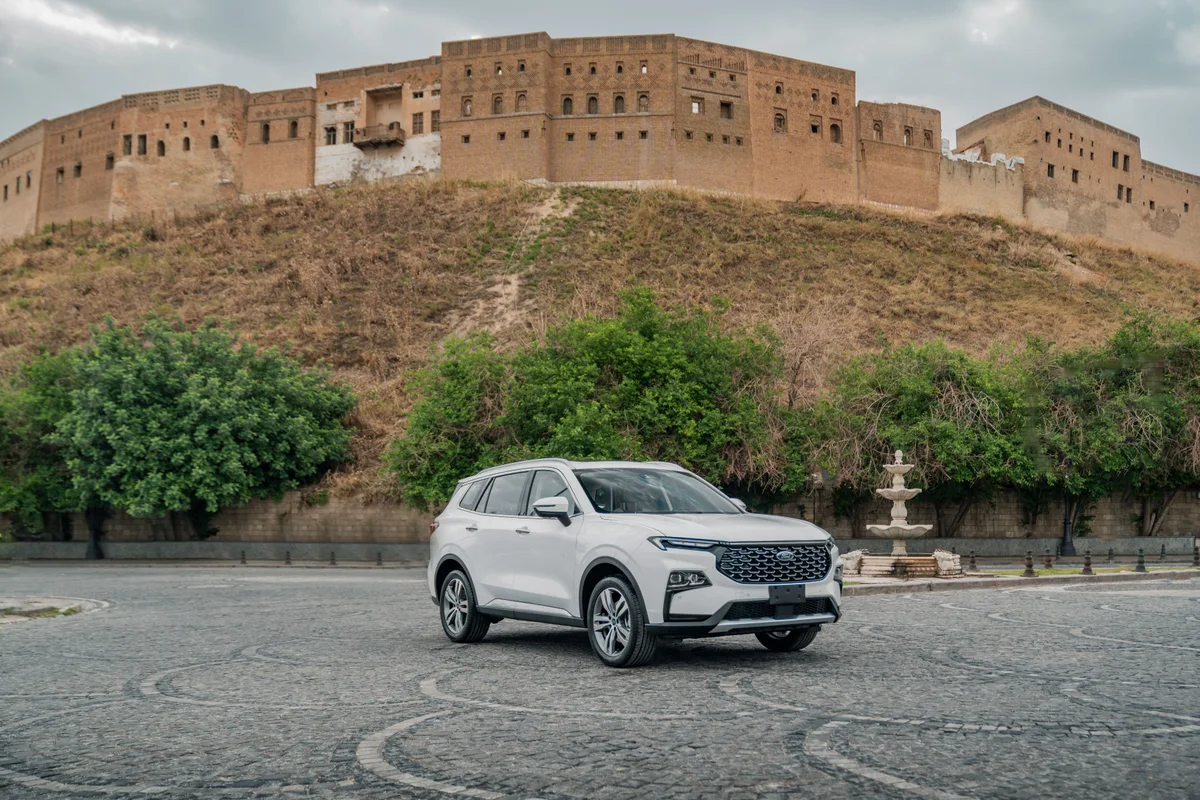
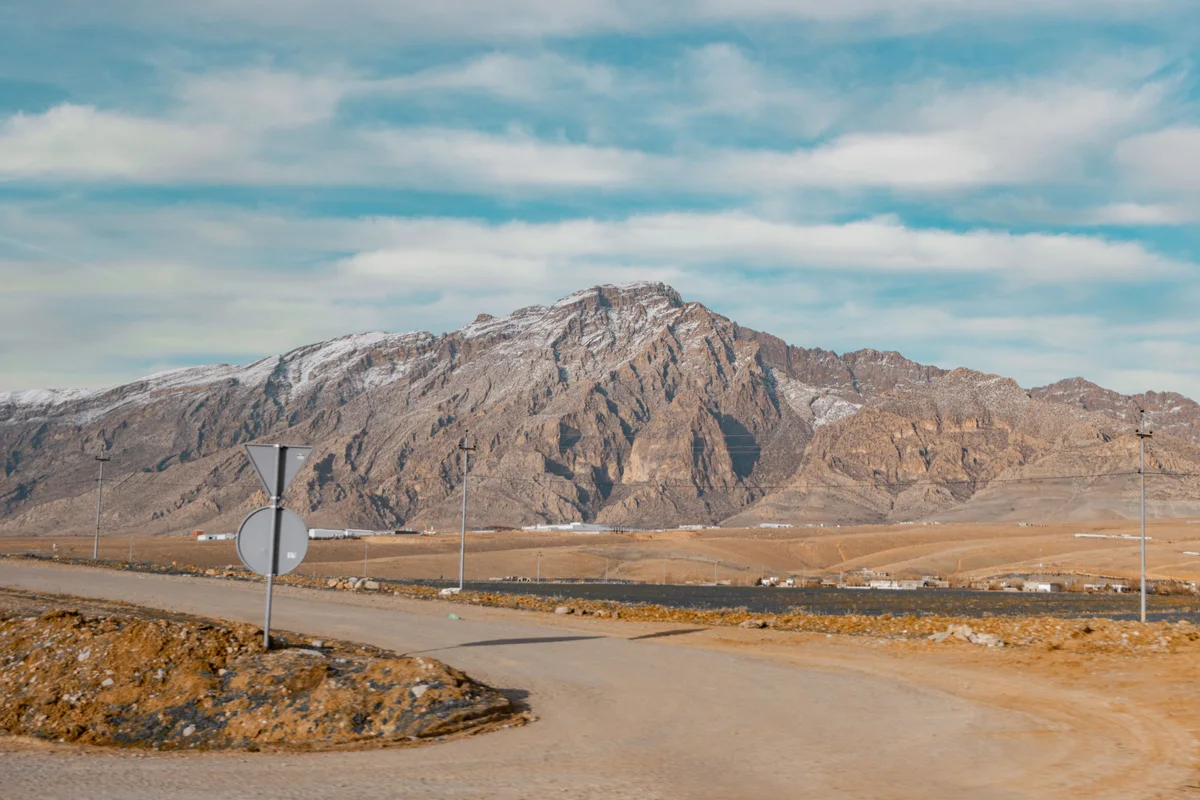
Choosing a border is not just paperwork; it decides which part of the Kurdistan Region you see first. Bashmaq and Siranband put you in Penjwen and then Sulaymaniyah — the governorate that also holds Dokan Lake. Tamarchin drops you straight onto the Choman road and the Erbil highway, and from Erbil the north of the Region and the mountain town of Amedi in Duhok governorate are within reach. The photos below are from that same region, so you have a picture of the destination before you pick a route.
Exit Fees and Traveler Customs: the Figures, Dated
The cost of an overland trip is not just fuel and taxis; you also need to know Iran's exit fee and the rules on cash and personal goods. The exit fee changes every year with the budget law, so the date attached to each figure matters. Key point: a tourist trip to the Kurdistan Region does not count as an Atabat pilgrimage and is charged the full rate; the discounted pilgrim rates apply only to pilgrimage travel.
Iran's Exit Fee Under the 1405 Budget
- Exit fee under the 1405 (2026/27) budget law: first trip 900,000 tomans, second trip 1,500,000 tomans, third trip onward 2,200,000 tomans.
- For comparison, the 1404 (2025/26) figures were 675,000, 1,012,500 and 1,350,000 tomans; some websites still show these outdated numbers.
- The 1405 pilgrim rates (90,000 tomans by air, 30,000 by land or sea) apply only to Atabat pilgrimage travel, not tourism in the Kurdistan Region. Arbaeen pilgrims registered in the Samah system during the announced window are exempt.
Cash You Carry: Limits on Leaving Iran and Entering Iraq
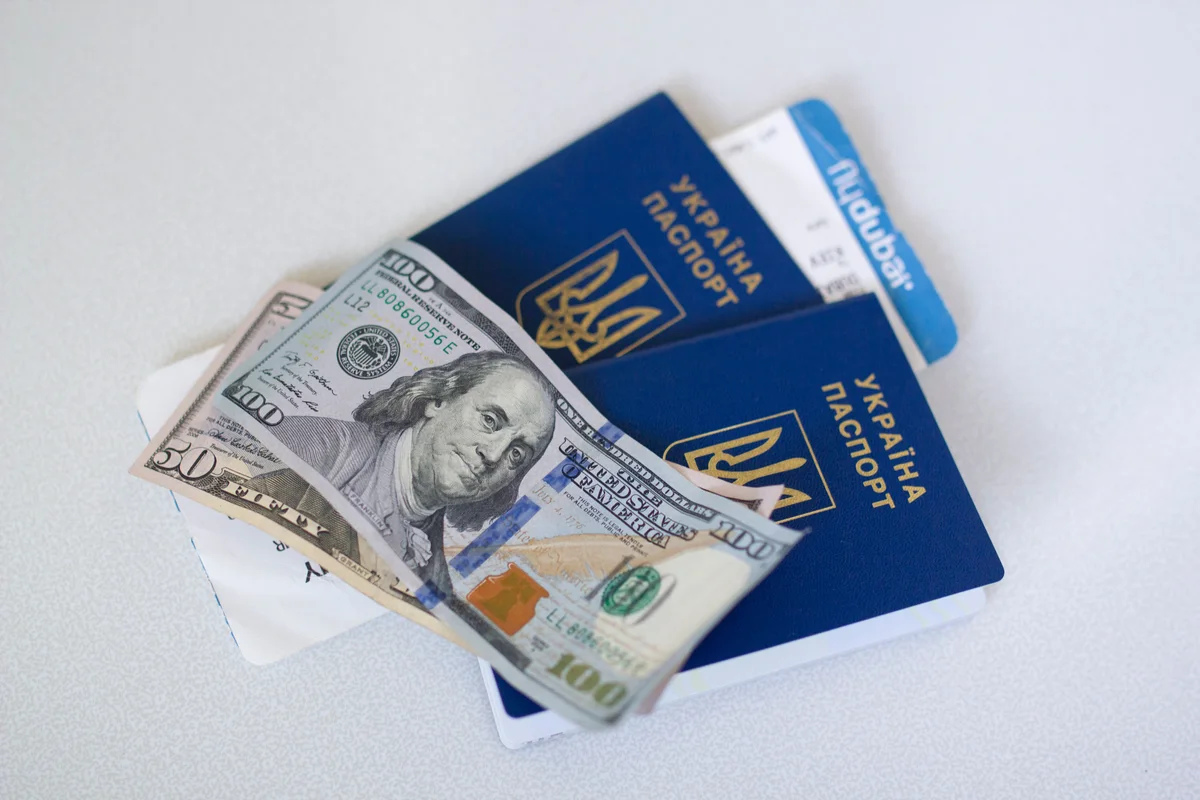
- Cash on exit from Iran, per the Central Bank's current rules: a maximum of 2,000 euros (or equivalent) through land borders and 5,000 euros by air; anything above that without declaration and a permit counts as currency smuggling.
- On entry into Iran, up to 10,000 euros is allowed without declaration; anything more must be declared on arrival with a Bank Melli certificate obtained (Central Bank rules).
- On the Iraqi side, under Iraq's anti-money-laundering rules, cash and instruments over 10,000 US dollars (or equivalent) must be declared on both entry and exit.
Personal Goods and the Prohibited List
- Duty-free allowance when returning to Iran, per 1404 (2025) guides: once a year, up to 80 US dollars' worth of goods free of import duties; above that, non-commercial goods clear customs upon payment of duties. Used personal effects are also exempt.
- Prohibited items when entering Iran: alcoholic beverages (even if legally bought in the Kurdistan Region), narcotics, weapons and ammunition, gambling devices and goods deemed indecent. Exporting antiques and historical artifacts is prohibited from both Iran and Iraq.
You can pay the exit fee via the Sadad portal (sadadpsp.ir), payment apps, Bank Melli branches and ATMs at airports or border terminals; the receipt stays valid until the end of the same Iranian calendar year. Keep in mind these rates change with the next year's budget law — from Farvardin 1406 (March 2027). For gold and jewelry, guides mention figures such as a cap of around 150 grams of personal jewelry, but the details need confirmation; check with customs before traveling. Border-area residents also pay a separate, much lower fee whose 1405 figure should be confirmed with official sources.
Practical Tips Before You Set Out
- Your passport must be valid for at least 6 months from your entry date; do not risk traveling on a nearly expired passport.
- Iranians enter visa-free with a free 30-day stamp; if you plan a longer stay, follow up on extension details in our Iraqi Kurdistan visa article and with Iran's consulate in Erbil or Sulaymaniyah.
- Border hours are not fixed; always call the crossing's customs office a day or two ahead (Bashmaq 08734253344, Tamarchin 04444183276).
- For travel with a private car, a temporary vehicle-exit permit (carnet or customs permit) is required; ask your departure customs office for details before the trip.
- During regional tensions, follow the day's border news; the March 2026 episode showed a crossing can stay closed for days.
- Carry some cash in dollars or dinars; Iranian bank cards do not work in the Kurdistan Region, and exchange rates differ between border and city money changers.
Border regulations change fast; every figure and hour in this guide carries a date. Before setting out, verify the day's border status with official sources.
This guide is part of the Kurdoff travel hub; if you are planning a trip to the Kurdistan Region, browse our other guides — from visas and stays to shopping and sightseeing in Erbil and Sulaymaniyah — for a smooth journey.